
Technology Transfer & Localization
From assembly to manufacturing in Saudi Arabia.
Hasin brings manufacturers in China and industrial partners in Saudi Arabia together around a specific product. We plan how that product can be assembled in the Kingdom, which components can be made here, and what the Saudi team will need to run production independently.
The question behind every proposal
What will the Saudi team be able to make?
For each product, we identify three things before anything ships.
The operations Saudi technicians take on first
Where assembly starts, and which manufacturing operation can follow it.

The expertise they need from the original manufacturer
The drawings, process knowledge and judgment that have to travel with the product.

The evidence that shows they have mastered the work
Measured parts, test results and a repeat build by a second Saudi operator.
The transfer, step by step
The 7 steps behind transferring manufacturing
Seven steps take a product from selection to a Saudi team, and Saudi suppliers, that can make it.
Step 01 of 07
Start with equipment the projects actually need
We review the expected demand, the product drawings and the Saudi production capabilities available before selecting the first component. The choice has to make sense both on the factory floor and in the buyer’s procurement plan.
Before the first shipment, Hasin and the manufacturing partner agree which drawings the Saudi team can use, who teaches the first production lead and who approves a change. Each stage has a named owner, a deliverable and an agreed way to judge the result.
Step 02 of 07
Learn where the product is already made
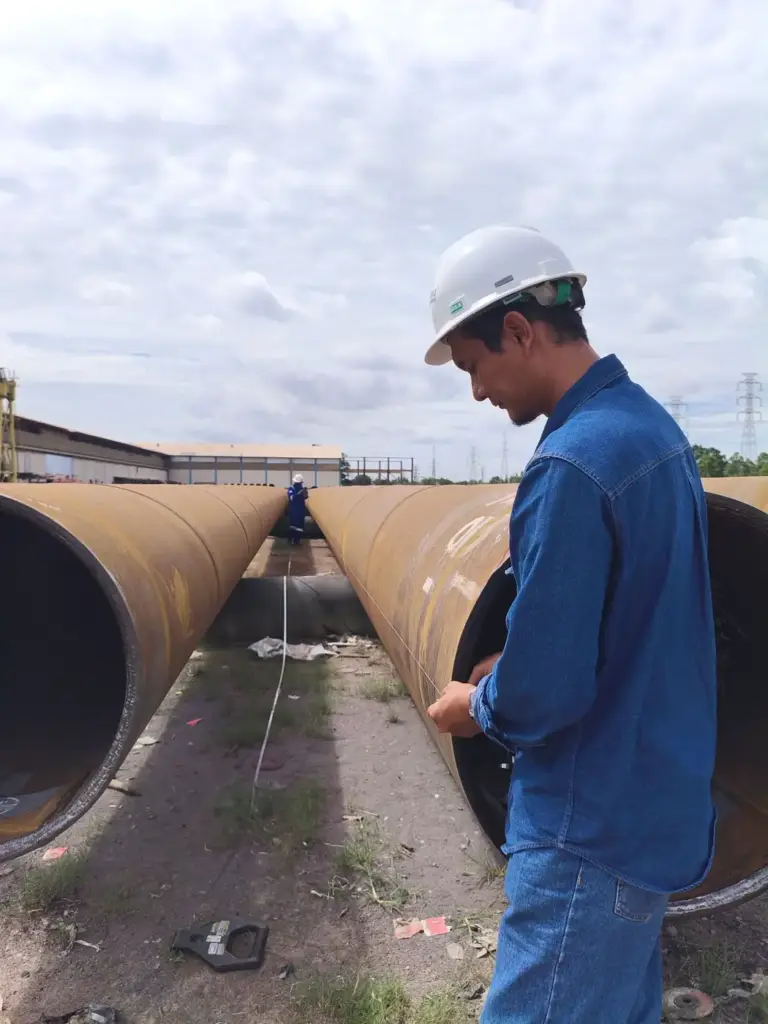
At the partner’s factory in China, the Saudi production lead works alongside the engineer responsible for the selected operation: observing a production run, setting up the next one and inspecting the finished part.
An important part of the handover is learning what an experienced operator notices when the process starts to go wrong, and what to adjust before the next part is made.
Step 03 of 07
Use the first builds to prepare for local manufacture
Saudi assembly gives the team a working understanding of how the product fits together. During the first builds from kits, technicians record fit issues, test results and the operations that still need support from the original manufacturer.
Those findings decide the tooling, training and inspection methods for the first locally made component. SKD assembly is planned from 2028 and CKD assembly from 2029.
Step 04 of 07
Everything a Saudi team needs to make the part
A drawing tells an engineer what the finished part should look like. Producing it also takes the material specification, the sequence of operations, the tooling and a way to check the result.
For the selected component, we define the engineering documents and shop-floor instructions the Saudi team needs, in a language its operators can use. Then the team makes the first part to the approved drawing.
Step 05 of 07
Agree on the test before making the part
Before fabrication begins, the engineering teams agree the dimensions, material properties and performance checks that matter, and their limits.
The part is measured against the approved drawing, then fitted and tested in the equipment it belongs to. If a result falls outside the limits, the team records the cause, corrects it and repeats the check.
Step 06 of 07
Know-how that stays in the Kingdom
One of the clearest signs that know-how has taken root is what happens after the first Saudi lead returns from training. Can that lead teach a colleague to set up the job, recognize a defect and produce another acceptable part?
A repeat production run with a second operator gives the project owner a practical answer. The handover is complete when the first Saudi lead can teach the second operator.
Step 07 of 07
Give Saudi suppliers a part they can qualify for
Localization grows beyond one line when Saudi suppliers can make parts too. A supplier receives a specific component, a drawing it is authorized to use, the expected volume and the acceptance criteria.
The supplier assesses its equipment, quotes the work and submits a sample. The project team evaluates the sample and decides whether to qualify the supplier for repeat orders.

China and Saudi Arabia
Select the product and its first part
Chosen against real demand and Saudi production capability; drawings, owners and acceptance criteria agreed up front.

China
Train with the original manufacturer
The Saudi production lead works beside the engineer who runs the operation.

Saudi Arabia
Assemble the first units in the Kingdom
Kits are built in Saudi Arabia; fit issues and test results are recorded.

Saudi Arabia
Manufacture the part in Saudi Arabia
A Saudi team makes the first part to the approved drawing.

Saudi Arabia
Check it against the drawing and in the assembly
Dimensions and material are measured against the approved drawing, then the part is tested in the equipment it belongs to.

Saudi Arabia
Repeat the build with a Saudi team
A second operator runs the process: the know-how has taken root.

Saudi Arabia
Qualify Saudi suppliers
Local suppliers receive a defined part, an authorized drawing, the volume and the tests, then qualify for repeat orders.

Product selection
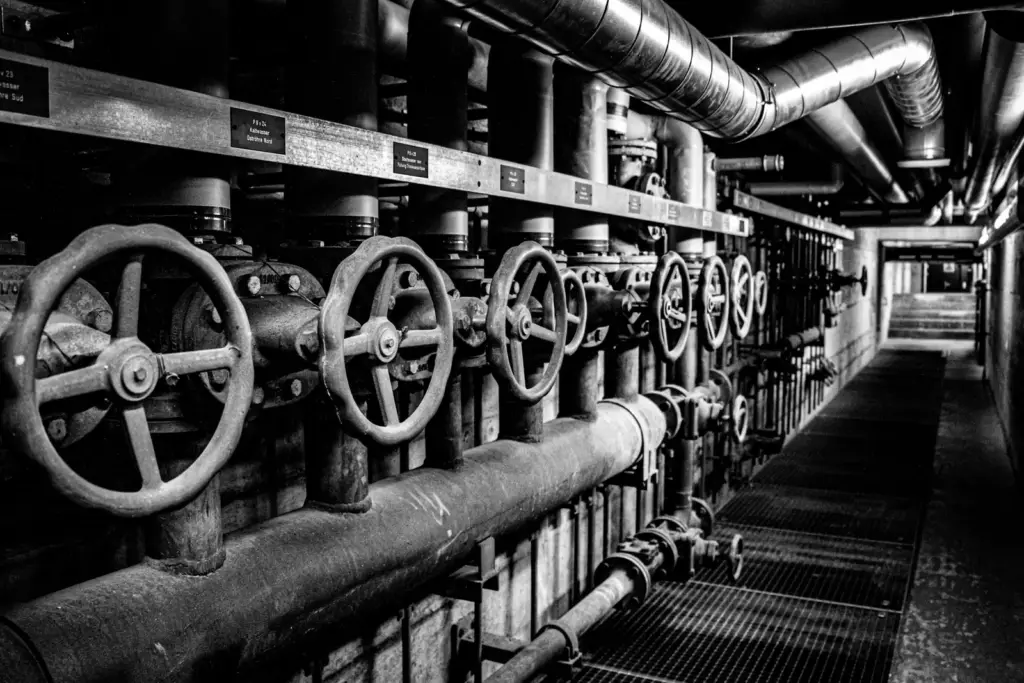
Start with equipment the project actually needs
For a water project, the starting point might be a pump package. For an energy or infrastructure project, it might be an equipment enclosure or a fabricated support.
We review the expected demand, the product drawings and the available Saudi production capabilities before selecting the first component. The choice has to make sense both on the factory floor and in the buyer’s procurement plan.
Partner responsibilities
Agree on the handover before the first shipment
Hasin settles these questions with the manufacturing partner at the outset. Each stage has a named owner, a deliverable and an agreed way to judge the result.
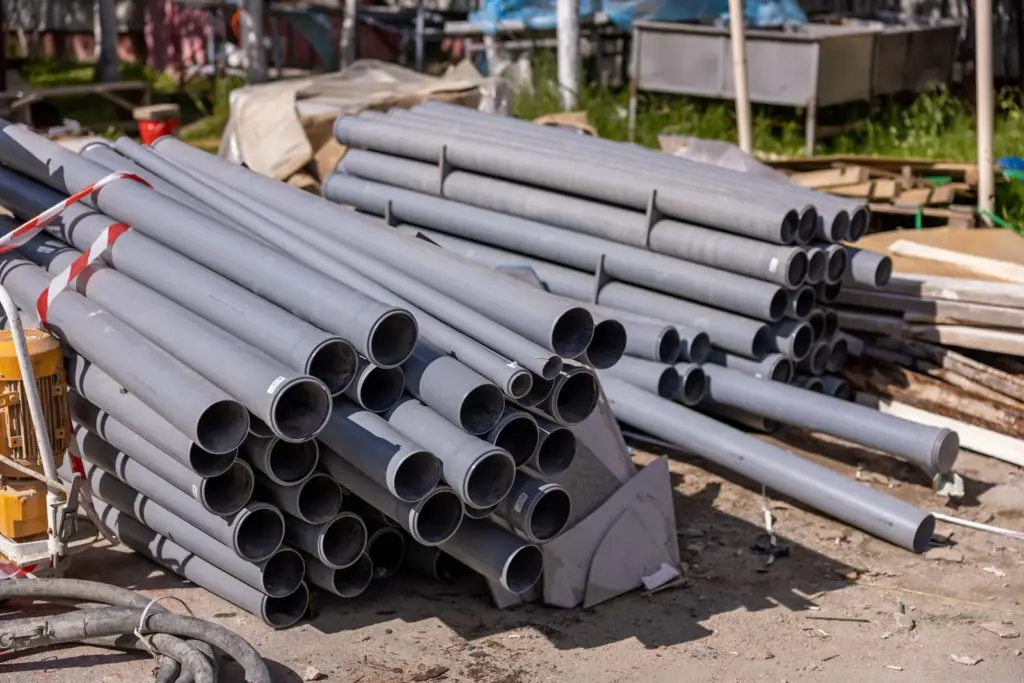
Which drawings can the Saudi team use?
Authorized drawings and specifications, agreed in writing before work begins.

Who will teach the first production lead?
A named engineer at the original manufacturer, responsible for the selected operation.

Who approves a change?
A clear route to approve a locally available material that differs from the original specification.

Engineering
What comes with the equipment
A machine drawing tells an engineer what the finished part should look like. Producing it also requires:
- The material specification
- The sequence of operations
- The tooling
- A way to check the result
For the selected component, we define the engineering documents and shop-floor instructions the Saudi team will need, in a language its operators can use.
Training in China
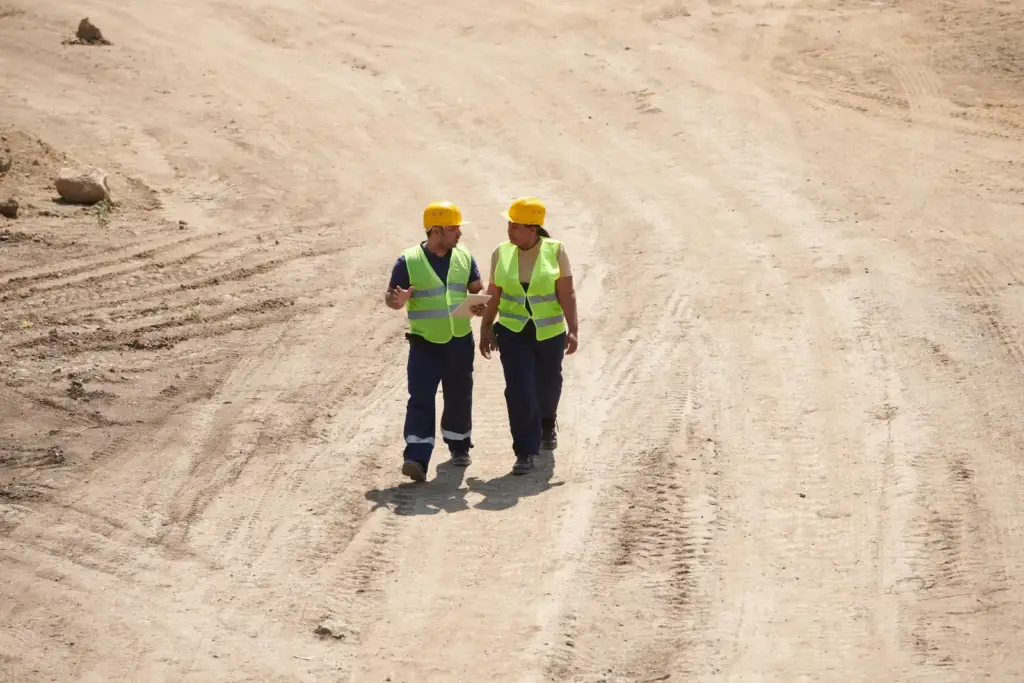
Learn where the product is already made
At the partner’s factory in China, the Saudi production lead works alongside the engineer responsible for the selected operation: observing a production run, setting up the next one and inspecting the finished part.
An important part of the handover is learning what an experienced operator notices when the process starts to go wrong, and what to adjust before the next part is made.
Saudi assembly
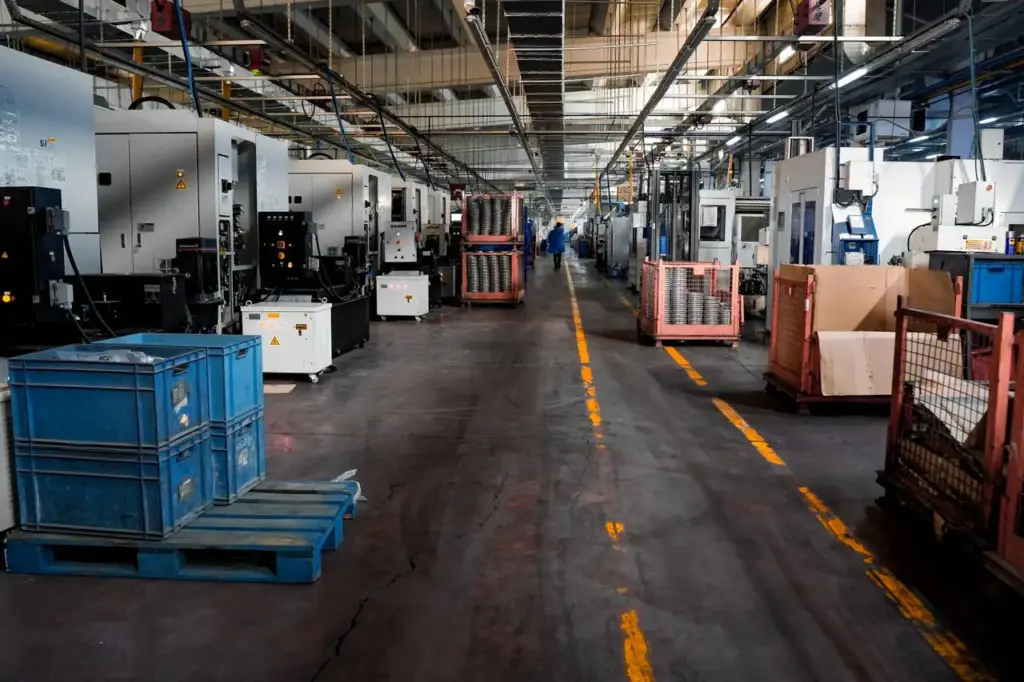
Use the first build to prepare for local manufacture
Saudi assembly gives the team a working understanding of how the product fits together. During the first builds from completely knocked-down (CKD) kits, technicians record fit issues, test results and the operations that still need support from the original manufacturer.
Those findings decide the tooling, training and inspection methods for the first locally made component.
- 2028 (planned): SKD assembly: products arrive partly built and are completed in Saudi Arabia.
- 2029 (planned): CKD assembly: products arrive as separate parts and are fully built in Saudi Arabia.
A first localization milestone
From an approved drawing to a Saudi-made part
Take a baseplate for a pump package. Three pieces of evidence, inspected together, show it was made right in Saudi Arabia.
- 1
The approved drawing
The partner’s drawing, approved for Saudi use
Material specification, mounting points and tolerances agreed before any steel is cut.
- 2
The Saudi-made part
Cut, drilled, welded and measured in the Kingdom
A Saudi fabrication team makes the baseplate and measures every mounting point against the drawing.
- 3
The finished assembly
Fitted with the pump and motor, and tested
The buyer inspects the drawing, the measurements and the assembled equipment together.
Example: a baseplate for a pump package, the kind of first component a localization program can start with.
Quality
Agree on the test before making the part
Before fabrication begins, the engineering teams identify the dimensions, material properties and performance checks that matter for the selected component.
Step 01 of 04
Define
Agree the dimensions, material properties and performance checks that matter, and their limits.
Step 02 of 04
Make
A Saudi team produces the first part to the approved drawing.
Step 03 of 04
Measure and test
The part is measured against the requirements and tested in its intended assembly.
Step 04 of 04
Correct and repeat
If a result falls outside the limits, the team records the cause, corrects it and repeats the check.


Skills transfer
The handover is complete when the first Saudi lead can teach the second operator.
One of the clearest signs that know-how has taken root is what happens after the first Saudi lead returns from training. Can that lead teach a colleague to set up the job, recognize a defect and produce another acceptable part? A repeat production run with a second operator gives the project owner a practical answer.
For procurement and industrial decision-makers
What you can hold the program to

See which parts will be imported, assembled or made locally

Know what the Saudi team will produce at each stage

Agree the acceptance criteria before committing to a pilot

Base the next investment on what the pilot demonstrates
Visibility
See exactly what has moved to Saudi Arabia
At each project review, a marked-up parts list, production records and inspection results show what arrived as kits, what was assembled in the Kingdom and what a Saudi team manufactured.
- 2 Arrived as a kit
- 3 Assembled in the Kingdom
- 2 Made by a Saudi team
| Item | Status | Evidence at the review |
|---|---|---|
| Pump casing and impeller | Arrived as a kit | Supplied by the original manufacturer |
| Electric motor | Arrived as a kit | Supplied by the original manufacturer |
| Coupling and guard | Assembled in the Kingdom | Assembly record |
| Pump and motor alignment | Assembled in the Kingdom | Alignment check sheet |
| Control panel | Assembled in the Kingdom | Wired and tested in the Kingdom |
| Baseplate | Made by a Saudi team | Approved drawing, measurements, fit test |
| Anchor bolts and fixings | Made by a Saudi team | Local supplier sample, qualified |
Illustrative example. The same records show where the project still depends on the original manufacturer, and what the next transfer should address.
Local suppliers
Give Saudi suppliers a part they can qualify for
With these details, a Saudi supplier can assess its equipment, quote the work and submit a sample. The project team evaluates the sample and decides whether to qualify the supplier for repeat orders.
A specific component
Not a category: one defined part.

An authorized drawing
A drawing the supplier is allowed to use.

The expected volume
So the supplier can plan equipment and price.

The acceptance criteria
The tests the sample has to pass.
Regional growth
From the first build to regional supply
Once a Saudi team sustains quality and delivery across repeated orders, regional supply becomes the next decision: which market needs the product, what approvals it requires, and whether the Saudi operation can support the volume, spare parts and service.
- 2026
Today
Sourcing & logistics
Sourcing through our Beijing base, quality-checked by our engineers.
- 2027
PlannedPhase 1
Distribution & service centre
The first step beyond sourcing and logistics: distribution and service for the equipment we supply.
- 2028
PlannedPhase 2
Local SKD assembly
Products arrive partly built and are completed in Saudi Arabia.
- 2029
PlannedPhase 2
Scale-up and CKD assembly
Assembly scales up and CKD starts: building products from separate parts.
- 2030
PlannedPhase 3
Local manufacturing (CKD)
Saudi teams manufacture components in the Kingdom, checked against the approved drawing.
- 2031
PlannedPhase 4
Local manufacturing + export
Saudi-made products exported from the Kingdom.
Vision 2030
Why this matters to the Kingdom
In support of Saudi Vision 2030’s industrial mandate, we are bringing manufacturing know-how into Saudi industrial zones, organically and through targeted partnerships with global manufacturing technology providers.
Our clients need demonstrable alignment with Local Content and Saudization requirements. Every step above is designed to produce that evidence: Saudi technicians trained, operations moved into the Kingdom, and components made by Saudi teams and Saudi suppliers.
Which product should Saudi Arabia make next?
Bring us an equipment specification, a recurring purchase requirement or a component you want to source closer to your project. The first discussion focuses on where Saudi assembly can begin, which manufacturing operation could follow, and what both partners would commit to a pilot.